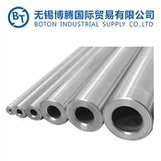
In the world of industrial machinery, piston rods play a crucial role. As an OEM piston rod supplier, I understand the importance of ensuring that customers receive genuine and high - quality products. Identifying a genuine OEM piston rod is not always straightforward, but with the right knowledge and approach, it can be achieved. This blog post aims to provide you with a comprehensive guide on how to identify a genuine OEM piston rod.
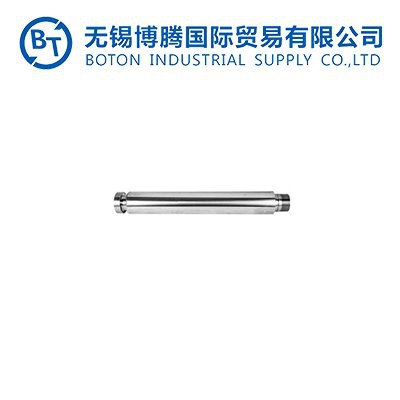

1. Manufacturer's Reputation
One of the first steps in identifying a genuine OEM piston rod is to research the manufacturer's reputation. A well - established and reputable manufacturer is more likely to produce high - quality and genuine products. You can look for reviews and testimonials from other customers who have purchased piston rods from the same manufacturer. Industry forums and trade associations can also be great sources of information. A manufacturer with a long - standing history of producing reliable piston rods is a good sign. For example, if a manufacturer has been in the business for decades and has a large customer base, it indicates that their products are trusted in the market.
2. Documentation and Certification
Genuine OEM piston rods come with proper documentation and certification. This includes product specifications, material certificates, and quality control reports. The product specifications should clearly state the dimensions, materials used, and performance characteristics of the piston rod. Material certificates are essential as they verify the quality and origin of the materials used in the manufacturing process. For instance, if a piston rod claims to be made of high - grade steel, the material certificate should confirm this. Quality control reports show that the piston rod has undergone rigorous testing and meets the required standards. Without these documents, it is highly likely that the piston rod is not a genuine OEM product.
3. Physical Appearance
The physical appearance of a piston rod can also provide clues about its authenticity. A genuine OEM piston rod will have a smooth and uniform surface finish. There should be no visible scratches, dents, or rough edges. The dimensions of the piston rod should be precise and consistent with the product specifications. Any deviations in size or shape could indicate a counterfeit or sub - standard product. Additionally, the markings on the piston rod are important. Genuine OEM piston rods usually have clear and permanent markings that include the manufacturer's logo, part number, and other relevant information. These markings should be well - defined and not easily removable.
4. Material Quality
The quality of the material used in the piston rod is a key factor in determining its authenticity. Different types of piston rods are made from various materials, such as S45C Piston Rod and 40Cr Hydraulic Piston Rod. High - quality materials will have the right combination of strength, durability, and corrosion resistance. You can request a material analysis report from the supplier to verify the material composition. A genuine OEM piston rod will be made from materials that meet the industry standards. For example, in a hydraulic system, the piston rod needs to withstand high pressure and wear, so it should be made from a material with excellent mechanical properties.
5. Precision and Tolerance
Precision is crucial in piston rods, especially in applications where high - performance is required. Genuine OEM piston rods are manufactured with tight tolerances. This means that the dimensions of the piston rod are within a very narrow range of the specified values. You can use precision measuring tools, such as calipers and micrometers, to check the dimensions of the piston rod. If the measured values deviate significantly from the specifications, it is a sign that the piston rod may not be genuine. Precision Piston Rod are designed to meet the most demanding requirements, and their precision is a hallmark of their authenticity.
6. Compatibility
A genuine OEM piston rod is designed to be fully compatible with the specific equipment or system it is intended for. Before purchasing a piston rod, make sure to check its compatibility with your machinery. This includes factors such as the mounting dimensions, connection types, and operating conditions. If the piston rod does not fit properly or causes issues when installed, it may not be a genuine OEM product. You can refer to the equipment's user manual or consult with the equipment manufacturer to ensure that the piston rod is the right fit.
7. Price Comparison
While price is not always the sole indicator of authenticity, it can provide some insights. If a piston rod is priced significantly lower than the market average, it could be a red flag. Counterfeit or low - quality piston rods are often sold at a much lower price to attract customers. However, it is important to note that a high price does not always guarantee authenticity. You should compare the prices of different suppliers and consider the overall value, including the quality, warranty, and after - sales service.
8. Supplier's Credibility
As an OEM piston rod supplier, I know that the credibility of the supplier is crucial. A reliable supplier will have a good track record of delivering genuine products on time. They should be able to provide you with all the necessary documentation and support. You can ask the supplier for references or check their business registration and licensing. A legitimate supplier will be transparent about their manufacturing processes and quality control measures. If a supplier is hesitant to provide information or seems evasive, it is best to look for another option.
Conclusion
Identifying a genuine OEM piston rod requires a combination of research, inspection, and due diligence. By considering the manufacturer's reputation, documentation, physical appearance, material quality, precision, compatibility, price, and the supplier's credibility, you can make an informed decision. At our company, we are committed to providing high - quality and genuine OEM piston rods. If you are in the market for piston rods, we encourage you to contact us for a detailed discussion about your requirements. Our team of experts will be happy to assist you in finding the right piston rod for your application.
References
- "Industrial Piston Rod Manufacturing Standards" - Industry Report
- "Materials for Piston Rods: Properties and Applications" - Academic Journal
- "Quality Control in Piston Rod Production" - Technical Manual