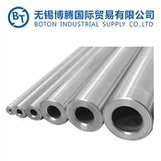
Are OEM piston rods compatible with different cylinder liners? This is a question that often comes up in the hydraulic and mechanical engineering industries. As an OEM piston rod supplier, I've encountered this query numerous times from our customers. In this blog, I'll delve into the factors that determine the compatibility between OEM piston rods and different cylinder liners, and share some insights based on my experience in the field.
Understanding OEM Piston Rods and Cylinder Liners
Before we discuss compatibility, let's first understand what OEM piston rods and cylinder liners are. OEM piston rods are precision-engineered components that are designed to fit specific hydraulic or pneumatic cylinders. They are typically made from high-quality materials such as CK45 Hydraulic Piston Rod or Stainless Steel Precision Bar, which offer excellent strength, durability, and corrosion resistance.
Cylinder liners, on the other hand, are the inner sleeves of hydraulic or pneumatic cylinders. They provide a smooth surface for the piston rod to move back and forth, and help to seal the cylinder to prevent fluid leakage. Cylinder liners can be made from a variety of materials, including cast iron, steel, and aluminum, each with its own unique properties and characteristics.


Factors Affecting Compatibility
There are several factors that can affect the compatibility between OEM piston rods and different cylinder liners. These include:
1. Material Compatibility
The materials used in the piston rod and cylinder liner must be compatible with each other to ensure proper functioning and longevity. For example, if the piston rod is made from a hard material such as steel, and the cylinder liner is made from a soft material such as aluminum, there is a risk of galling or scoring on the surface of the liner. This can lead to increased friction, reduced efficiency, and premature wear of the components.
2. Size and Tolerance
The size and tolerance of the piston rod and cylinder liner must be carefully matched to ensure a proper fit. If the piston rod is too large or too small for the cylinder liner, it can cause leakage, reduced performance, and even damage to the components. In addition, the surface finish of the piston rod and cylinder liner must also be within the specified tolerance to ensure smooth operation.
3. Operating Conditions
The operating conditions of the hydraulic or pneumatic system can also affect the compatibility between the piston rod and cylinder liner. For example, if the system operates at high temperatures or pressures, the materials used in the components must be able to withstand these conditions without deforming or failing. In addition, the presence of contaminants or abrasive particles in the fluid can also cause wear and damage to the components.
4. Seal Compatibility
The seals used in the hydraulic or pneumatic system must also be compatible with the piston rod and cylinder liner. If the seals are not properly matched, they can cause leakage, reduced performance, and premature wear of the components. In addition, the type of seal used can also affect the compatibility between the piston rod and cylinder liner. For example, some seals require a specific surface finish or material on the piston rod to function properly.
Compatibility Testing
To ensure the compatibility between OEM piston rods and different cylinder liners, it is important to conduct compatibility testing. This can involve a variety of tests, including:
1. Material Testing
Material testing can be used to determine the chemical composition, hardness, and other properties of the piston rod and cylinder liner. This can help to ensure that the materials are compatible with each other and can withstand the operating conditions of the system.
2. Fit Testing
Fit testing can be used to determine the size and tolerance of the piston rod and cylinder liner. This can help to ensure that the components fit together properly and do not cause any leakage or other problems.
3. Performance Testing
Performance testing can be used to evaluate the performance of the hydraulic or pneumatic system with the piston rod and cylinder liner installed. This can help to ensure that the system operates smoothly and efficiently, and that the components do not experience any premature wear or damage.
Our Experience as an OEM Piston Rod Supplier
As an OEM piston rod supplier, we have extensive experience in providing high-quality piston rods that are compatible with a wide range of cylinder liners. We use the latest manufacturing techniques and equipment to ensure that our piston rods are precision-engineered to meet the specific requirements of our customers.
In addition, we conduct rigorous compatibility testing on all of our piston rods to ensure that they are compatible with different cylinder liners. This includes material testing, fit testing, and performance testing, to ensure that our piston rods meet the highest standards of quality and performance.
We also offer a wide range of piston rods made from different materials, including CK45 Piston Rod and stainless steel, to meet the specific needs of our customers. Our team of experts can help you select the right piston rod for your application, and provide you with the technical support and advice you need to ensure a successful installation.
Conclusion
In conclusion, the compatibility between OEM piston rods and different cylinder liners is an important factor to consider when designing and operating hydraulic and pneumatic systems. By understanding the factors that affect compatibility, conducting compatibility testing, and working with a reputable OEM piston rod supplier, you can ensure that your system operates smoothly and efficiently, and that your components do not experience any premature wear or damage.
If you are in the market for high-quality OEM piston rods that are compatible with different cylinder liners, please don't hesitate to contact us. Our team of experts is ready to help you select the right piston rod for your application, and provide you with the technical support and advice you need to ensure a successful installation. We look forward to hearing from you and working with you to meet your piston rod needs.
References
- Smith, J. (2018). Hydraulic and Pneumatic Systems: Design, Installation, and Maintenance. New York: McGraw-Hill.
- Johnson, R. (2019). Piston Rods: Design, Manufacturing, and Applications. London: Elsevier.
- Brown, T. (2020). Cylinder Liners: Materials, Design, and Performance. Chicago: Wiley.