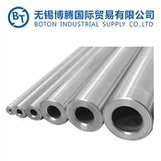
Hey there! As a supplier of CK45 Hydraulic Piston Rods, I often get asked about the threading requirements of these rods. So, I thought I'd put together this blog post to share some insights.
First off, let's talk a bit about CK45. CK45 is a medium carbon steel that's known for its good strength and toughness. It's a popular choice for hydraulic piston rods because it can withstand the high pressures and loads that these rods are subjected to in hydraulic systems.
Now, when it comes to threading requirements, there are a few key factors to consider.
Thread Type
The most common thread types for CK45 hydraulic piston rods are metric and imperial threads. Metric threads are widely used in Europe and many other parts of the world. They follow a standard sizing system based on millimeters. Imperial threads, on the other hand, are more commonly used in the United States. They use inches as the unit of measurement.
The choice between metric and imperial threads often depends on the location of the end - user and the existing hydraulic system. If the system is already using metric components, it makes sense to use metric threads on the piston rod for compatibility. For example, in a European manufacturing plant where most of the hydraulic equipment is designed with metric specifications, metric - threaded CK45 piston rods would be the way to go.
Thread Pitch
Thread pitch is another crucial aspect. It refers to the distance between adjacent threads. A fine - pitch thread has a smaller distance between threads compared to a coarse - pitch thread.
Fine - pitch threads are often used when a more precise adjustment or a higher locking force is required. They are also better at preventing loosening due to vibration. In hydraulic systems where there is a lot of vibration, like in construction equipment, fine - pitch threads on CK45 piston rods can be a great choice.
Coarse - pitch threads, on the other hand, are easier to cut and assemble. They are suitable for applications where quick assembly and disassembly are needed, such as in some maintenance - intensive hydraulic systems.
Thread Depth
The depth of the thread is important for ensuring a strong connection. A deeper thread generally provides more surface area for engagement, which means a stronger joint. However, if the thread is too deep, it can weaken the piston rod itself.
For CK45 hydraulic piston rods, the thread depth is carefully calculated based on the diameter of the rod and the expected load. In general, the thread depth should be sufficient to provide a reliable connection without compromising the structural integrity of the rod. For smaller - diameter CK45 piston rods, a shallower but well - formed thread may be appropriate, while larger - diameter rods can accommodate deeper threads.
Thread Tolerance
Thread tolerance refers to the allowable variation in the dimensions of the thread. Tight tolerances are required for high - precision hydraulic systems. In these systems, even a small deviation in the thread dimensions can lead to leaks or improper functioning.
As a supplier of CK45 Hydraulic Piston Rods, we ensure that our threads meet the required tolerances. We use advanced machining techniques and quality control measures to achieve the right level of precision. For instance, we use thread gauges to check the accuracy of the threads during the manufacturing process.
Surface Finish of the Thread
The surface finish of the thread can also impact its performance. A smooth surface finish reduces friction during assembly and disassembly. It also helps to prevent corrosion and galling.
We use special finishing processes on our CK45 piston rod threads to ensure a smooth surface. This not only improves the functionality of the rod but also extends its service life. For example, we might apply a passivation treatment to the threads to enhance their corrosion resistance.
Compatibility with Nuts and Other Components
The threading on CK45 hydraulic piston rods must be compatible with the nuts and other threaded components in the hydraulic system. This includes not only the thread type, pitch, and size but also the material of the mating parts.
For example, if the nuts are made of a different material, like stainless steel, we need to consider the potential for galvanic corrosion. We might recommend using appropriate coatings or anti - corrosion agents to prevent this.
Custom Threading
In some cases, customers may have specific threading requirements. Maybe they are working on a unique hydraulic application that calls for a non - standard thread. As a supplier, we are capable of providing custom - threaded CK45 piston rods.
We have the expertise and the machinery to create threads according to the customer's exact specifications. Whether it's a special pitch, a non - standard thread form, or a custom thread depth, we can make it happen.

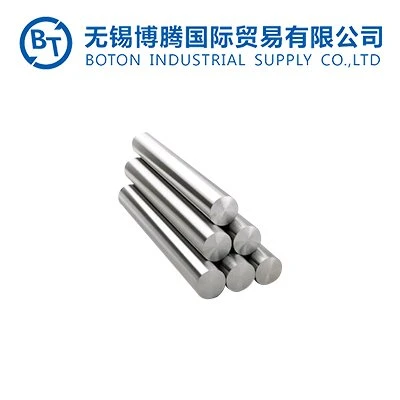
If you're interested in our CK45 Precision Piston Rod, 1045 Hollow Piston Rod, or 45# Steel Piston Rod, we'd be more than happy to discuss your threading requirements. We understand that every hydraulic system is unique, and we're committed to providing the best - suited piston rods for your needs.
If you have any questions about the threading requirements or want to start a procurement discussion, don't hesitate to reach out. We're here to help you find the perfect CK45 hydraulic piston rod for your hydraulic system.
References
- "Handbook of Hydraulic Pneumatics" - This book provides in - depth knowledge about various components of hydraulic systems, including piston rods and their threading requirements.
- "Mechanical Engineering Design" - It offers comprehensive information on mechanical joints, including threaded connections, which is relevant to understanding the threading of CK45 piston rods.