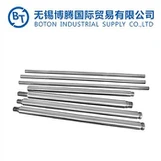
Hey there! As a supplier of Chrome Plated Piston Rods, I've been getting a lot of questions lately about the influence of chrome plating on the piston rod's surface energy. So, I thought I'd take a few minutes to break it down for you.
First off, let's talk about what surface energy is. Surface energy is basically the energy that's associated with the surface of a material. It's what determines how a material interacts with other materials, like how it sticks to things or how it repels them. In the case of piston rods, surface energy plays a crucial role in how well the rod performs in its environment.
Now, let's get into the nitty-gritty of how chrome plating affects the surface energy of a piston rod. Chrome plating is a process where a thin layer of chromium is applied to the surface of the piston rod. This layer of chromium has a number of benefits, including increased hardness, corrosion resistance, and wear resistance. But one of the lesser-known benefits of chrome plating is its effect on the surface energy of the piston rod.
When a piston rod is chrome plated, the surface energy of the rod is increased. This is because the chromium layer has a higher surface energy than the base material of the rod. The increased surface energy makes the rod more reactive, which means it's better able to interact with other materials. For example, a chrome-plated piston rod will be more likely to stick to a lubricant than an un-plated rod. This can help to reduce friction and wear, which can extend the life of the rod.
Another benefit of the increased surface energy is that it can improve the adhesion of the chrome plating to the base material. When the surface energy of the rod is increased, the chrome plating is better able to bond to the surface of the rod. This can help to prevent the plating from peeling or flaking off, which can be a major problem in some applications.


But the benefits of chrome plating don't stop there. Chrome plating can also help to reduce the coefficient of friction of the piston rod. The coefficient of friction is a measure of how much resistance there is between two surfaces when they're in contact with each other. A lower coefficient of friction means that the rod will move more smoothly, which can improve the performance of the system.
In addition to reducing the coefficient of friction, chrome plating can also help to improve the corrosion resistance of the piston rod. Corrosion is a major problem in many applications, especially in environments where the rod is exposed to moisture or chemicals. The chromium layer acts as a barrier, preventing the base material of the rod from coming into contact with the corrosive environment. This can help to extend the life of the rod and reduce the need for maintenance.
Now, let's talk about some of the factors that can affect the influence of chrome plating on the piston rod's surface energy. One of the most important factors is the thickness of the chrome plating. The thicker the plating, the higher the surface energy of the rod will be. However, there's a limit to how thick the plating can be. If the plating is too thick, it can become brittle and prone to cracking.
Another factor that can affect the surface energy of the rod is the quality of the chrome plating. A high-quality chrome plating will have a more uniform surface and a higher surface energy than a low-quality plating. This is because the high-quality plating will have fewer defects and a more consistent composition.
The type of base material used for the piston rod can also affect the influence of chrome plating on the surface energy. Some materials, like stainless steel, have a higher surface energy than others. This means that the chrome plating will have a greater effect on the surface energy of a stainless steel rod than it will on a rod made from a lower surface energy material.
So, there you have it! That's a brief overview of the influence of chrome plating on the piston rod's surface energy. As you can see, chrome plating can have a number of benefits, including increased surface energy, improved adhesion, reduced friction, and increased corrosion resistance. If you're in the market for a piston rod, I highly recommend considering a chrome-plated rod.
If you're interested in learning more about our Stainless Steel Cylinder Rod, Hydraulic Piston Rod, or 1045 Hydraulic Piston Rod, please don't hesitate to reach out. We'd be happy to answer any questions you have and help you find the right piston rod for your application.