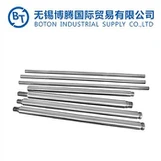
As a supplier of Hard Chrome Bars, I've seen firsthand how crucial the chrome plating temperature is to the properties of these bars. In this blog, I'll share my insights on how different temperatures can affect the performance and quality of hard chrome bars.
Understanding Chrome Plating
Before we dive into the impact of temperature, let's quickly go over what chrome plating is. Chrome plating is a process where a thin layer of chromium is applied to a metal surface, usually steel. This process not only enhances the appearance of the bar but also improves its corrosion resistance, hardness, and wear resistance. It's widely used in various industries, from automotive to manufacturing.
The Role of Temperature in Chrome Plating
The temperature at which chrome plating is carried out plays a significant role in determining the properties of the final product. Different temperatures can lead to variations in the structure and characteristics of the chrome layer.
Low Temperatures
When chrome plating is done at lower temperatures, typically below 50°C (122°F), the chrome layer tends to have a more porous structure. This porosity can affect the bar's corrosion resistance. The pores can act as pathways for oxygen and moisture to reach the underlying metal, leading to rust and corrosion over time.
However, low-temperature plating can result in a smoother surface finish. This can be beneficial in applications where a smooth surface is required, such as in hydraulic cylinders or precision machinery. The smooth surface reduces friction, which can improve the efficiency and lifespan of the components.
High Temperatures
On the other hand, plating at higher temperatures, usually above 60°C (140°F), can produce a denser and more uniform chrome layer. A denser layer means better corrosion resistance as there are fewer pores for corrosive agents to penetrate.
High-temperature plating also increases the hardness of the chrome layer. This makes the Hard Chrome Bar more resistant to wear and abrasion, which is essential in applications where the bar is subject to high levels of friction, such as in industrial machinery or automotive engines.
But high temperatures can also cause some issues. The higher heat can lead to thermal stress in the bar, potentially causing warping or cracking. Additionally, the surface finish may not be as smooth as that achieved at lower temperatures.
Impact on Physical and Mechanical Properties
The temperature of chrome plating can have a profound impact on the physical and mechanical properties of the Hard Chrome Bar.
Hardness
As mentioned earlier, high-temperature plating generally results in a harder chrome layer. The increased hardness is due to the formation of a more compact crystal structure at higher temperatures. This hardness is crucial for applications where the bar needs to withstand heavy loads and abrasion. For example, in mining equipment, a harder chrome bar can resist the wear and tear caused by the rough materials it comes into contact with.
Corrosion Resistance
Corrosion resistance is another critical property affected by plating temperature. A denser chrome layer formed at high temperatures provides better protection against corrosion. In marine applications, for instance, where the bars are exposed to saltwater, a highly corrosion-resistant chrome layer can significantly extend the lifespan of the Chrome Plated Bar.
Surface Finish
The surface finish of the chrome bar is also influenced by the plating temperature. Low-temperature plating offers a smoother finish, which can be ideal for applications where a low-friction surface is required. In contrast, high-temperature plating may result in a slightly rougher surface, but this can be mitigated through post-plating processes such as polishing.
Application-Specific Considerations
Different applications require different properties from Hard Chrome Bars. Therefore, the choice of plating temperature should be based on the specific requirements of the application.
Automotive Industry
In the automotive industry, chrome bars are used in various components, such as piston rods and shock absorbers. For piston rods, a high-temperature plating may be preferred to ensure high hardness and wear resistance. The piston rods are subject to high levels of friction and pressure, so a hard chrome layer can withstand these conditions. On the other hand, for shock absorbers, a smooth surface finish is crucial to ensure proper operation. In this case, a lower plating temperature may be more suitable.
Hydraulic Systems
Hydraulic systems rely on chrome bars for their smooth operation. The bars need to have a low-friction surface to minimize energy loss and ensure efficient fluid flow. A smooth surface finish achieved through low-temperature plating can be beneficial in this application. However, the bars also need to be corrosion-resistant, especially if they are used in outdoor or harsh environments. In such cases, a combination of low-temperature plating for a smooth finish and post-treatment to enhance corrosion resistance may be necessary.
Manufacturing Equipment
In manufacturing equipment, chrome bars are used in various moving parts. The requirements for these bars can vary widely depending on the specific equipment. For high-speed machinery, a hard and wear-resistant chrome layer achieved through high-temperature plating may be essential. For equipment that requires precise movement, a smooth surface finish may be more important.

Quality Control and Optimization
As a Hard Chrome Bar supplier, we understand the importance of quality control in the chrome plating process. We closely monitor the plating temperature to ensure that the bars meet the specific requirements of our customers.
We also conduct various tests on the plated bars to assess their properties. These tests include hardness testing, corrosion resistance testing, and surface finish analysis. By doing so, we can optimize the plating process and ensure that we deliver high-quality bars to our customers.
Conclusion
In conclusion, the chrome plating temperature has a significant impact on the properties of Hard Chrome Bars. Low temperatures can result in a smoother surface finish but may sacrifice some corrosion resistance and hardness. High temperatures, on the other hand, can produce a denser and harder chrome layer but may cause issues with thermal stress and surface finish.
As a supplier, we work closely with our customers to understand their specific requirements and choose the appropriate plating temperature. Whether you need a Hard Chrome Bar for automotive, hydraulic, or manufacturing applications, we can provide you with a high-quality product that meets your needs.
If you're interested in purchasing Hard Chrome Bars, Chrome Plated Bars, or Hollow Chrome Rods, feel free to reach out to us for a quote and to discuss your specific requirements. We're here to help you find the best solution for your project.