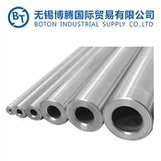
Cutting a stainless steel cylinder rod requires precision, the right tools, and a proper understanding of the material. As a trusted supplier of Stainless Steel Cylinder Rods, we've encountered numerous inquiries regarding the cutting process. In this blog, we'll walk you through the step - by - step process of cutting a stainless steel cylinder rod, ensuring you achieve the best results.
Understanding Stainless Steel Cylinder Rods
Stainless steel cylinder rods are known for their durability, corrosion resistance, and high strength. They are widely used in various industries such as automotive, manufacturing, and hydraulics. Our company offers a wide range of stainless steel cylinder rods, including CK45 Piston Rod and Chrome Piston Rod, which are designed to meet different application requirements.
Before you start cutting, it's crucial to understand the type of stainless steel you're working with. Different grades of stainless steel have varying hardness and cutting characteristics. For example, austenitic stainless steels are more ductile but can work - harden quickly during cutting, while martensitic stainless steels are harder and more wear - resistant.
Tools Required for Cutting
To cut a stainless steel cylinder rod effectively, you'll need the following tools:


- Angle Grinder: An angle grinder is a versatile tool for cutting stainless steel. It's suitable for cutting smaller - diameter rods and making rough cuts. You'll need a cutting disc specifically designed for stainless steel.
- Band Saw: A band saw is ideal for making straight and precise cuts on larger - diameter rods. Make sure to use a bi - metal or carbide - tipped blade for stainless steel.
- Lathe: If you need to make very precise cuts, especially for small - diameter rods or when you want to create specific shapes, a lathe can be a great option. A lathe allows you to rotate the rod while cutting, giving you more control.
Pre - cutting Preparation
- Measure and Mark: Use a measuring tape or caliper to measure the length of the rod you need to cut. Mark the cutting line clearly using a scribe or a permanent marker. Double - check your measurements to ensure accuracy.
- Secure the Rod: It's essential to secure the stainless steel cylinder rod firmly to prevent it from moving during the cutting process. You can use a vise or clamps to hold the rod in place. Make sure the clamping force is even and strong enough to keep the rod steady.
- Eye and Ear Protection: Wear safety goggles to protect your eyes from flying debris and earplugs to reduce the noise level generated during cutting.
Cutting Methods
Using an Angle Grinder
- Select the Right Disc: Choose a cutting disc with a suitable grit for stainless steel. A finer - grit disc will produce a smoother cut, but it may wear out faster.
- Hold the Angle Grinder Properly: Hold the angle grinder firmly with both hands, keeping your body in a stable position. Make sure the cutting disc is parallel to the marked cutting line.
- Start Cutting: Turn on the angle grinder and let it reach full speed before making contact with the rod. Slowly lower the disc onto the rod, applying gentle pressure. Move the grinder along the marked line, keeping a steady pace. Be careful not to apply too much pressure, as this can cause the disc to overheat or break.
- Cooling: Stainless steel can heat up quickly during cutting. To prevent overheating, you can periodically lift the grinder off the rod to allow it to cool down. You can also use a coolant spray if necessary.
Using a Band Saw
- Install the Correct Blade: Install a bi - metal or carbide - tipped blade designed for stainless steel on the band saw. Make sure the blade is properly tensioned and aligned.
- Position the Rod: Place the stainless steel cylinder rod on the band saw table and align it with the cutting edge of the blade. Use the band saw's guides to keep the rod straight.
- Set the Feed Rate: Adjust the feed rate on the band saw according to the diameter and hardness of the rod. A slower feed rate is usually recommended for harder materials to ensure a clean cut.
- Start Cutting: Turn on the band saw and slowly lower the blade onto the rod. Let the blade do the work, and avoid forcing the rod through the blade. Monitor the cutting process closely to ensure the blade is cutting smoothly.
Using a Lathe
- Mount the Rod: Mount the stainless steel cylinder rod in the lathe chuck or collet. Make sure the rod is centered and securely held.
- Select the Cutting Tool: Choose a cutting tool suitable for stainless steel, such as a carbide - tipped turning tool. Set the tool height so that it is at the center of the rod.
- Set the Cutting Parameters: Adjust the lathe's speed, feed rate, and depth of cut according to the diameter and hardness of the rod. A lower speed and a smaller depth of cut are usually recommended for stainless steel.
- Start Cutting: Turn on the lathe and slowly move the cutting tool towards the rod. Make small, incremental cuts to avoid overloading the tool. As you cut, monitor the surface finish of the rod and make any necessary adjustments to the cutting parameters.
Post - cutting Finishing
After cutting the stainless steel cylinder rod, you may need to do some finishing work to remove any burrs or rough edges.
- Deburring: Use a file or a deburring tool to remove the burrs from the cut end of the rod. Make sure to file in a smooth, even motion to avoid scratching the surface of the rod.
- Sanding: If you need a smooth surface finish, you can sand the cut end of the rod using sandpaper of different grits. Start with a coarse - grit sandpaper and gradually move to a finer - grit sandpaper for a smoother finish.
Safety Considerations
- Fire Hazard: Stainless steel can produce sparks during cutting, which can pose a fire hazard. Make sure to keep a fire extinguisher nearby and clear any flammable materials from the cutting area.
- Respiratory Protection: Cutting stainless steel can generate dust and fumes. Wear a respirator to protect your lungs from inhaling these harmful particles.
- Tool Maintenance: Regularly inspect and maintain your cutting tools to ensure they are in good working condition. Dull or damaged tools can increase the risk of accidents and produce poor - quality cuts.
Conclusion
Cutting a stainless steel cylinder rod is a task that requires the right tools, proper techniques, and strict safety measures. By following the steps outlined in this blog, you can achieve precise and clean cuts on your stainless steel cylinder rods.
As a leading supplier of Stainless Steel Cylinder Rods and related products like Stainless Steel Honed Tube, we are committed to providing high - quality materials and excellent customer service. If you have any questions about cutting stainless steel cylinder rods or are interested in purchasing our products for your projects, please feel free to contact us for a detailed discussion and possible procurement. Our team of experts is always ready to assist you in finding the best solutions for your needs.