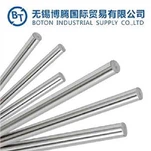
Piston rods are typically made from materials with high strength and rigidity. Materials like steel or alloy steel are chosen for their ability to withstand the forces and stresses they will encounter during operation. This inherent strength allows the piston rod to maintain its shape and dimensions, providing a stable foundation for the movement of the piston.
The manufacturing process of piston rods also plays a role in ensuring stable performance. Precise machining and quality control measures ensure that the rod has consistent dimensions and a smooth surface finish. This helps to minimize friction and wear, which can lead to fluctuations in performance.
In addition, proper design and engineering can contribute to stable performance. Adequate seals and lubrication systems can prevent leaks and reduce friction, ensuring smooth and consistent movement of the piston rod. The design of the connecting points and attachments can also affect stability, as they need to be able to handle the forces without introducing excessive play or vibration.
For applications such as hydraulic systems, engines, and industrial machinery, stable performance is essential for efficient operation and reliability. A piston rod that provides consistent movement and force transmission helps to ensure the overall performance of the system.
However, some factors can potentially affect the stability of a piston rod. Harsh operating conditions, such as extreme temperatures, high pressures, or abrasive environments, can cause wear and degradation over time. Improper installation or maintenance can also lead to instability, such as misaligned connections or damaged seals.
Moreover, if the piston rod is subjected to excessive loads or impacts beyond its design limits, it may deform or fail, resulting in unstable performance.
If you need a High-Quality piston rod, Please contact www.rodandtubechina.com for further questions.