Hey there! I'm a supplier of piston rods, and today I wanna chat about what can go wrong if a piston rod isn't lubricated properly. You might think, "It's just a little oil, how bad can it be?" Well, let me tell you, it can be pretty darn bad.
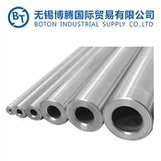
First off, let's talk about what a piston rod does. In simple terms, a piston rod is a crucial part in lots of machines, like hydraulic cylinders. It's the link between the piston and the external components, and it moves back and forth to transfer force. We offer different types of piston rods, like the 316 Stainless Steel Piston Rod, the 40Cr Hydraulic Piston Rod, and the Precision Piston Rod. Each has its own unique features and uses, but they all need proper lubrication to work well.
Increased Friction and Wear
One of the most immediate effects of improper lubrication is increased friction. You know how when you rub your hands together really fast, they get hot? Well, it's the same idea with a piston rod. When there's not enough lubricant, the rod rubs against its housing or other components, creating a ton of friction. This friction generates heat, and heat is the enemy of metal parts.
As the temperature rises, the metal of the piston rod starts to expand. This expansion can lead to a tight fit between the rod and its surroundings, which in turn causes even more friction. Over time, this constant rubbing and heating wear down the surface of the piston rod. You'll start to see scratches, grooves, and pits on the rod. These surface imperfections not only reduce the rod's lifespan but also affect its performance. The rod might not move as smoothly as it should, which can cause problems in the entire system it's a part of.
Seizure and Lock - up
If the situation gets really bad, the increased friction and heat can lead to something called seizure. Seizure happens when the metal of the piston rod and the mating parts fuse together due to the extreme heat and pressure. It's like welding them together on the spot! When this occurs, the piston rod can no longer move freely. It gets locked in place, and the whole machine stops working.
Imagine you're using a hydraulic system in a construction vehicle. If the piston rod seizes up, the hydraulic cylinder won't be able to extend or retract. That means the vehicle can't perform its tasks, like lifting heavy loads or digging. Fixing a seized piston rod is no walk in the park. It often involves disassembling a large part of the machine, replacing damaged components, and sometimes even machining or re - finishing the mating surfaces. It's a time - consuming and expensive process.
Contamination and Corrosion
Proper lubrication not only reduces friction but also acts as a barrier against contamination. Lubricants can trap dirt, dust, and other small particles that might enter the system. When a piston rod isn't lubricated properly, these contaminants can easily come into contact with the rod's surface.
Dirt and debris can act like sandpaper, scratching and abrading the piston rod. This not only speeds up the wear process but also creates tiny crevices where moisture can collect. Once moisture gets in, corrosion becomes a big problem. Corrosion eats away at the metal of the piston rod, weakening its structure. It can also cause the rod to become brittle, increasing the risk of breakage.
In the case of our 316 Stainless Steel Piston Rod, while stainless steel is more resistant to corrosion than other metals, it's not immune. Without proper lubrication, even stainless steel piston rods can start to show signs of rust and corrosion over time.

Loss of Efficiency
A piston rod that isn't lubricated properly also leads to a loss of efficiency in the system. When there's too much friction, the machine has to work harder to move the piston rod. This means it consumes more energy, whether it's electrical, hydraulic, or mechanical. For example, in a hydraulic system, the pump has to generate more pressure to overcome the resistance caused by the poorly lubricated piston rod.
This increased energy consumption not only costs more in terms of fuel or electricity but also puts more stress on other components of the system. The pump, valves, and hoses have to work under higher pressures, which can lead to premature wear and failure of these parts as well. In the long run, the overall performance of the machine drops, and it becomes less productive.
Impact on Seals
Piston rod seals are designed to keep the lubricant inside the system and prevent contaminants from entering. When a piston rod isn't lubricated properly, the seals are also affected. The increased friction and heat can cause the seals to dry out, crack, or lose their elasticity.
Once the seals are damaged, the lubricant can leak out of the system. This not only further reduces the lubrication of the piston rod but also creates a mess. In some cases, the loss of lubricant can lead to a drop in pressure within the system, which can cause the machine to malfunction. Additionally, contaminants can now easily enter the system through the damaged seals, exacerbating the problems of wear and corrosion.
How to Avoid These Problems
So, how can you avoid all these issues? The answer is simple: proper lubrication. Make sure to use the right type of lubricant for your piston rod. Different materials and applications require different lubricants. Check the manufacturer's recommendations for the best lubricant to use.
Also, establish a regular maintenance schedule. This includes checking the lubricant level, changing the lubricant at the recommended intervals, and inspecting the piston rod for any signs of wear or damage. If you notice any problems early on, you can take action before they turn into major issues.

If you're in the market for high - quality piston rods, we've got you covered. We offer a wide range of piston rods, including the 316 Stainless Steel Piston Rod, the 40Cr Hydraulic Piston Rod, and the Precision Piston Rod. Our piston rods are made with top - notch materials and precision manufacturing techniques to ensure long - lasting performance.
If you're interested in learning more about our products or have any questions about piston rod lubrication, don't hesitate to reach out. We're here to help you make the right choice for your needs. Contact us today to start a conversation about your piston rod requirements.
References
- Machinery's Handbook: A comprehensive guide to mechanical engineering and manufacturing processes.
- Hydraulic System Design and Maintenance Manual: Provides in - depth information on hydraulic components, including piston rods.