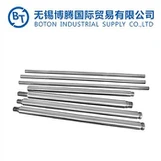
Hey there! As a piston rod supplier, I've seen firsthand how crucial these little components are in pumps. So, let's dive into what exactly the role of a piston rod in a pump is.
Basic Function of a Piston Rod in a Pump
First off, a piston rod is like the workhorse of a pump. It's a long, slender rod that connects the piston to the crosshead or crankshaft. The main job of the piston rod is to transfer the force from the piston to the other parts of the pump mechanism.
In a reciprocating pump, for example, the piston moves back and forth inside a cylinder. The piston rod is attached to the piston and extends out of the cylinder. When the piston moves, the piston rod moves with it. This back - and - forth motion is then translated into useful work, like moving fluids. The force generated by the piston is transmitted through the piston rod to the rest of the pump system, which can then suck in and discharge fluids.
Types of Piston Rods and Their Suitability
There are different types of piston rods available, and each has its own unique properties that make it suitable for specific pump applications.

One popular type is the Chrome Piston Rod. Chrome plating provides excellent corrosion resistance and a smooth surface finish. This is great for pumps that are used in environments where there is a risk of corrosion, like in water treatment plants or in marine applications. The smooth surface also reduces friction between the piston rod and other components in the pump, which can increase the efficiency and lifespan of the pump.

Another type is the 316 Stainless Steel Piston Rod. 316 stainless steel is known for its high resistance to corrosion, especially in harsh chemical environments. Pumps that handle corrosive chemicals, such as in the chemical processing industry, often use 316 stainless steel piston rods. They can withstand the corrosive effects of acids, alkalis, and other chemicals, ensuring the pump operates reliably over a long period.
The Stainless Steel Chrome Plated Rod combines the best of both worlds. It has the corrosion - resistant properties of stainless steel and the added benefits of chrome plating, like a smooth surface and enhanced wear resistance. This type of piston rod is ideal for pumps that require both corrosion protection and a low - friction surface, such as in hydraulic pumps.
Impact on Pump Performance
The quality and design of the piston rod can have a significant impact on the overall performance of the pump. A well - designed piston rod ensures that the force from the piston is transferred efficiently. If the piston rod is too weak or has a poor surface finish, it can lead to energy losses. For example, excessive friction between the piston rod and the seals can cause the pump to use more energy to operate, reducing its efficiency.
In addition, the piston rod's durability is crucial. In a pump, the piston rod is subjected to high - stress conditions, including repeated cycles of tension and compression. A high - quality piston rod made from the right material can withstand these stresses without deforming or breaking. This means less downtime for the pump due to maintenance and repairs, which is a big plus for any operation.
Maintenance and Longevity
Proper maintenance of the piston rod is essential for the long - term performance of the pump. Regular inspection is a must. Check for signs of wear, such as scratches or dents on the surface of the piston rod. Any damage to the piston rod can affect its ability to transfer force effectively and can also lead to problems with the seals in the pump.
Lubrication is another important aspect of piston rod maintenance. A well - lubricated piston rod reduces friction and wear. Make sure to use the right type of lubricant for the specific application of the pump. For example, in food - grade pumps, a food - safe lubricant must be used.
Applications in Different Industries
Piston rods are used in a wide variety of industries. In the automotive industry, they are used in fuel injection pumps. These pumps need to be highly efficient and reliable to ensure proper engine performance. The piston rod in a fuel injection pump helps to precisely control the amount of fuel injected into the engine cylinders.
In the oil and gas industry, piston rods are used in pumps for drilling operations. These pumps need to handle high - pressure fluids and operate in harsh environments. The choice of piston rod material is critical to ensure the pump can withstand the extreme conditions.
In the manufacturing industry, piston rods are used in hydraulic presses. Hydraulic presses use the force generated by the piston rod to shape and form metal parts. The precision and strength of the piston rod are essential for achieving accurate and consistent results.

Conclusion
So, as you can see, the piston rod plays a vital role in a pump. It's not just a simple rod; it's a key component that can make or break the performance of the pump. Whether it's transferring force, withstanding corrosion, or reducing friction, the piston rod has a lot on its plate.
If you're in the market for high - quality piston rods for your pumps, we've got you covered. We offer a wide range of piston rods, including Chrome Piston Rod, 316 Stainless Steel Piston Rod, and Stainless Steel Chrome Plated Rod. Our products are made from the best materials and are designed to meet the highest standards of quality and performance.
If you have any questions or want to discuss your specific requirements, feel free to reach out. We're here to help you find the perfect piston rod for your pump. Let's work together to ensure your pumps operate at their best!
References
- "Pump Handbook" by Igor J. Karassik, Joseph P. Messina, Paul Cooper, and Charles C. Heald
- "Mechanical Design of Machine Elements and Machines: A Failure Prevention Perspective" by Robert L. Norton