As a reputable supplier of Hydraulic Piston Rods, I understand the significance of synchronizing multiple hydraulic piston rods in various industrial applications. Synchronization ensures that multiple cylinders work in harmony, achieving precise and coordinated motion. In this blog, I will delve into the methods and considerations for synchronizing multiple hydraulic piston rods.
Understanding the Need for Synchronization
In many industrial processes, multiple hydraulic cylinders are required to work together to perform complex tasks. For example, in large - scale construction equipment, multiple cylinders may be used to lift and position heavy loads. If these cylinders are not synchronized, it can lead to uneven movement, potential damage to the equipment, and safety hazards. Synchronization is crucial for maintaining the accuracy and efficiency of the operation.
Mechanical Synchronization
One of the simplest ways to synchronize multiple hydraulic piston rods is through mechanical means. This method involves using physical linkages between the cylinders. For instance, a rigid shaft or a chain can be connected to the piston rods of multiple cylinders. As one cylinder moves, the mechanical connection forces the other cylinders to move in a coordinated manner.


The advantage of mechanical synchronization is its simplicity and reliability. It does not rely on complex control systems, making it suitable for applications where cost - effectiveness and robustness are key. However, mechanical synchronization has its limitations. It is not suitable for applications that require high precision or where the cylinders are located far apart. The mechanical linkages can also introduce additional weight and friction, which may affect the overall performance of the system.
Flow Divider Synchronization
Flow divider valves are another common method for synchronizing multiple hydraulic piston rods. A flow divider valve divides the hydraulic fluid flow into multiple equal or proportional streams. Each stream is then directed to a different cylinder. By controlling the flow rate to each cylinder, the movement of the piston rods can be synchronized.
Flow divider synchronization offers a high degree of accuracy and can be used in applications where the cylinders are located at a distance from each other. However, it requires careful selection and sizing of the flow divider valve. The performance of the synchronization can be affected by factors such as the viscosity of the hydraulic fluid, temperature changes, and the load on each cylinder. Additionally, flow divider valves can be relatively expensive, especially for high - precision applications.
Electronic Synchronization
With the advancement of technology, electronic synchronization has become an increasingly popular method for synchronizing multiple hydraulic piston rods. Electronic synchronization uses sensors to measure the position of each piston rod and a control system to adjust the flow of hydraulic fluid to each cylinder accordingly.
The sensors can be linear displacement sensors, such as potentiometers or LVDTs (Linear Variable Differential Transformers). These sensors provide real - time feedback on the position of the piston rods. The control system, which can be a PLC (Programmable Logic Controller) or a dedicated hydraulic controller, analyzes the sensor data and adjusts the flow rate to each cylinder using proportional or servo valves.
Electronic synchronization offers the highest level of precision and flexibility. It can adapt to changes in load, temperature, and other operating conditions in real - time. It is suitable for applications that require high - speed and high - precision motion control, such as in the aerospace and automotive industries. However, electronic synchronization systems are more complex and expensive than mechanical or flow divider synchronization methods. They also require skilled technicians for installation, programming, and maintenance.
Considerations for Synchronization
When synchronizing multiple hydraulic piston rods, several factors need to be considered.
Load Distribution: The load on each cylinder can vary depending on the application. Uneven load distribution can affect the synchronization of the piston rods. It is important to ensure that the load is evenly distributed or to account for the load differences in the synchronization method.
Hydraulic Fluid: The properties of the hydraulic fluid, such as viscosity and temperature, can have a significant impact on the performance of the synchronization system. For example, changes in temperature can cause the viscosity of the fluid to change, which may affect the flow rate through the valves and the movement of the piston rods. It is important to select a hydraulic fluid that is suitable for the operating conditions and to maintain the fluid at a consistent temperature.
System Design: The overall design of the hydraulic system, including the layout of the cylinders, the size of the pipes, and the type of valves used, can affect the synchronization. A well - designed system can minimize pressure losses, reduce the risk of cavitation, and improve the overall performance of the synchronization.
Products to Support Synchronization
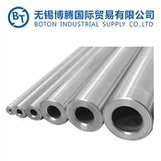
As a Hydraulic Piston Rod supplier, I offer a range of products that can support the synchronization of multiple hydraulic piston rods. Our Stainless Steel Honed Tube provides a smooth and precise surface for the piston rods to move within, ensuring reliable operation. The honed tube has excellent dimensional accuracy and surface finish, which is essential for the proper functioning of the hydraulic cylinders.
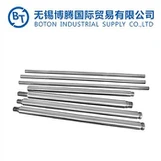
Our Stainless Steel Precision Bar is used to manufacture high - quality piston rods. The precision bar has tight tolerances and excellent mechanical properties, which contribute to the accuracy and durability of the piston rods.
In addition, our Stainless Steel Cylinder Rod is designed to withstand high pressures and harsh operating conditions. The stainless steel material provides corrosion resistance, which is important for applications in wet or corrosive environments.
Conclusion
Synchronizing multiple hydraulic piston rods is a complex but essential task in many industrial applications. Whether you choose mechanical, flow divider, or electronic synchronization, it is important to consider the specific requirements of your application, such as precision, cost, and operating conditions. As a Hydraulic Piston Rod supplier, I am committed to providing high - quality products and technical support to help you achieve effective synchronization.
If you are interested in purchasing our Hydraulic Piston Rods or need more information about synchronization solutions, please feel free to contact us. Our team of experts is ready to assist you in finding the best products and solutions for your needs.
References
- Hydraulic Systems and Components Handbook. McGraw - Hill.
- Fluid Power Engineering. Pearson Education.
- Pneumatic and Hydraulic Systems: Theory and Applications. Cengage Learning.