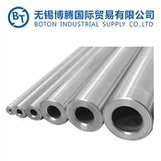
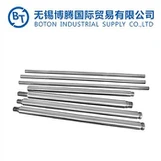
Hey there! As a supplier of Precision Linear Shafts, I've seen firsthand how vibration can be a real pain in the neck for anyone using these shafts. Vibration not only affects the performance of machinery but can also lead to premature wear and tear, reducing the lifespan of the equipment. In this blog, I'll share some practical tips on how to reduce the vibration of a precision linear shaft.
Understanding the Causes of Vibration
Before we dive into the solutions, it's important to understand what causes vibration in the first place. There are several factors that can contribute to vibration in a precision linear shaft:
- Imbalance: If the shaft is not perfectly balanced, it can cause uneven forces to act on it as it rotates or moves linearly. This imbalance can be due to manufacturing defects, uneven wear, or improper installation.
- Misalignment: When the shaft is not properly aligned with other components in the system, it can create additional stress and vibration. Misalignment can occur during installation or due to thermal expansion and contraction over time.
- Loose Components: Loose bearings, couplings, or other components can allow the shaft to move freely, leading to increased vibration. This can be caused by improper tightening during installation or wear and tear over time.
- External Forces: External factors such as shock, vibration from nearby machinery, or uneven surfaces can also cause the shaft to vibrate.
Tips to Reduce Vibration
1. Choose the Right Shaft Material
The material of the shaft plays a crucial role in reducing vibration. For example, 1045 Steel Shaft is a popular choice due to its high strength and good damping properties. Damping is the ability of a material to absorb and dissipate energy, which helps to reduce vibration. Another option is Chrome Plated Shaft, which not only offers good corrosion resistance but also has a smooth surface that can reduce friction and vibration.
2. Ensure Proper Balancing
Balancing the shaft is essential to reduce vibration. This involves adding or removing weight from the shaft to ensure that it rotates or moves linearly without any imbalance. There are several methods for balancing a shaft, including static balancing and dynamic balancing. Static balancing is suitable for shafts that rotate at low speeds, while dynamic balancing is required for high-speed shafts.
3. Check and Correct Alignment
Proper alignment is crucial for reducing vibration. Use alignment tools such as laser alignment systems to ensure that the shaft is aligned with other components in the system. If misalignment is detected, make the necessary adjustments to correct it. This may involve adjusting the position of the bearings, couplings, or other components.
4. Tighten Loose Components
Regularly check and tighten all the components in the system, including bearings, couplings, and fasteners. Loose components can allow the shaft to move freely, leading to increased vibration. Use a torque wrench to ensure that the components are tightened to the correct specifications.
5. Use Vibration Damping Devices
Vibration damping devices such as rubber mounts, shock absorbers, or damping pads can be used to reduce vibration. These devices work by absorbing and dissipating the energy generated by the vibration, reducing its amplitude. Place the damping devices between the shaft and other components in the system to minimize the transfer of vibration.
6. Maintain a Clean and Lubricated System
A clean and lubricated system can help to reduce friction and vibration. Regularly clean the shaft and other components to remove dirt, debris, and contaminants. Use a high-quality lubricant to reduce friction between the shaft and the bearings or other contact surfaces. This can also help to prevent wear and tear, extending the lifespan of the shaft.
7. Minimize External Forces
Try to minimize the impact of external forces on the shaft. This may involve isolating the machinery from nearby sources of vibration, using vibration isolation pads or mounts, or ensuring that the machinery is installed on a stable and level surface.
Conclusion
Reducing the vibration of a precision linear shaft is essential for improving the performance and lifespan of the machinery. By choosing the right shaft material, ensuring proper balancing and alignment, tightening loose components, using vibration damping devices, maintaining a clean and lubricated system, and minimizing external forces, you can effectively reduce vibration and ensure smooth operation.


If you're in the market for Precision Linear Shaft, we're here to help. Our team of experts can provide you with the right shaft solutions for your specific needs. Contact us today to start a procurement discussion and find out how we can help you reduce vibration and improve the performance of your machinery.
References
- Machinery's Handbook, 31st Edition
- Vibration Analysis for Rotating Machinery: A Practical Guide