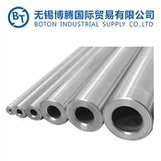
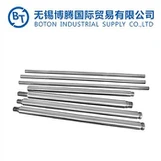
As a supplier of 1045 Piston Rods, I understand the critical role that friction coefficient plays in the performance and longevity of these components. A lower friction coefficient can lead to smoother operation, reduced wear and tear, and improved energy efficiency. In this blog post, I will share some effective strategies to reduce the friction coefficient of 1045 Piston Rods.
Understanding the Basics of Friction in Piston Rods
Before delving into the methods of reducing friction, it's essential to understand what causes friction in 1045 Piston Rods. Friction occurs when two surfaces come into contact and move relative to each other. In the case of piston rods, the contact between the rod and the cylinder wall, as well as any seals or bearings, can generate friction. Factors such as surface roughness, material properties, lubrication, and operating conditions all contribute to the friction coefficient.
Surface Treatment
One of the most effective ways to reduce the friction coefficient of 1045 Piston Rods is through surface treatment. By modifying the surface properties of the rod, we can minimize the contact area between the rod and other components, thereby reducing friction.
Chrome Plating
Chrome plating is a popular surface treatment method for piston rods. It provides a hard, smooth surface that reduces friction and wear. Stainless Steel Chrome Plated Rod offers excellent corrosion resistance and low friction characteristics. The chrome layer acts as a barrier between the rod and the surrounding environment, preventing oxidation and reducing the risk of damage.
Hard Chrome Plating
Hard Chrome Piston Rod is another option for reducing friction. Hard chrome plating is thicker and more wear-resistant than standard chrome plating. It can withstand high pressures and temperatures, making it suitable for demanding applications. The hard chrome layer also has a low coefficient of friction, which helps to improve the efficiency of the piston rod.
Nitriding
Nitriding is a heat treatment process that involves diffusing nitrogen into the surface of the piston rod. This creates a hard, wear-resistant layer that reduces friction and improves the rod's mechanical properties. Nitrided piston rods have a lower friction coefficient compared to untreated rods, and they are also more resistant to corrosion and fatigue.
Lubrication
Proper lubrication is crucial for reducing friction in 1045 Piston Rods. Lubricants create a thin film between the rod and other components, which separates the surfaces and reduces direct contact. This helps to minimize friction and wear, and it also improves the efficiency of the piston rod.
Selecting the Right Lubricant
The choice of lubricant depends on several factors, including the operating conditions, the type of piston rod, and the application. For example, in high-temperature applications, a lubricant with a high viscosity and good thermal stability is required. In contrast, in low-temperature applications, a lubricant with a low viscosity and good cold flow properties is preferred.
Lubrication Methods
There are several ways to apply lubricant to the piston rod. One common method is to use an oil bath, where the rod is immersed in a pool of lubricant. Another method is to use a lubrication system that sprays or drips lubricant onto the rod as it moves. In some cases, a solid lubricant, such as graphite or molybdenum disulfide, can be applied to the rod surface to reduce friction.


Material Selection
The choice of material for the piston rod can also have a significant impact on the friction coefficient. Different materials have different surface properties and coefficients of friction, so selecting the right material is essential for achieving optimal performance.
1045 Steel
1045 steel is a popular choice for piston rods due to its high strength, good machinability, and relatively low cost. However, it has a relatively high coefficient of friction compared to some other materials. To reduce the friction coefficient of 1045 steel piston rods, surface treatment and lubrication are often required.
Alternative Materials
In some cases, alternative materials may be used to reduce the friction coefficient of piston rods. For example, aluminum alloys have a lower density and a lower coefficient of friction compared to steel. They are also more corrosion-resistant, which can be beneficial in certain applications. However, aluminum alloys may not be suitable for high-load or high-temperature applications due to their lower strength.
Design Optimization
The design of the piston rod and its associated components can also affect the friction coefficient. By optimizing the design, we can reduce the contact area between the rod and other components, improve the flow of lubricant, and minimize the generation of heat.
Rod Geometry
The shape and dimensions of the piston rod can have a significant impact on the friction coefficient. For example, a rod with a smaller diameter and a longer length will have a lower friction coefficient compared to a rod with a larger diameter and a shorter length. Additionally, the surface finish of the rod can also affect the friction coefficient. A smooth, polished surface will have a lower friction coefficient compared to a rough, textured surface.
Seal Design
The design of the seals used in the piston rod assembly can also affect the friction coefficient. Seals that are too tight or too loose can increase friction and wear. Therefore, it's important to select seals that are properly sized and designed to provide a good seal without excessive friction.
Operating Conditions
The operating conditions of the piston rod can also have a significant impact on the friction coefficient. Factors such as temperature, pressure, and speed can all affect the performance of the rod and its associated components.
Temperature
High temperatures can cause the lubricant to break down and lose its effectiveness, which can increase friction and wear. Therefore, it's important to maintain the operating temperature within the recommended range for the lubricant and the piston rod. In some cases, cooling systems may be required to keep the temperature under control.
Pressure
High pressures can also increase friction and wear. Therefore, it's important to ensure that the piston rod is designed to withstand the operating pressures. In some cases, pressure relief valves or other safety devices may be required to prevent overpressure.
Speed
The speed at which the piston rod operates can also affect the friction coefficient. At high speeds, the lubricant may not be able to provide sufficient protection, which can lead to increased friction and wear. Therefore, it's important to ensure that the piston rod is designed to operate at the recommended speed range.
Conclusion
Reducing the friction coefficient of 1045 Piston Rods is essential for improving their performance and longevity. By using surface treatment, lubrication, material selection, design optimization, and proper operating conditions, we can minimize friction and wear, and improve the efficiency of the piston rod. If you are interested in purchasing high-quality 1045 Piston Rods or have any questions about reducing the friction coefficient, please feel free to contact us for further discussion and procurement negotiation.