

As a supplier of 40Cr Hydraulic Piston Rods, ensuring the safety of these components during operation is of utmost importance. In this blog post, I'll share some insights on how to guarantee the safe operation of 40Cr hydraulic piston rods.
Understanding the Basics of 40Cr Hydraulic Piston Rods
Before delving into safety measures, it's essential to understand what 40Cr hydraulic piston rods are. 40Cr is a type of alloy steel that is widely used in the manufacturing of hydraulic piston rods due to its excellent mechanical properties, including high strength, good toughness, and wear resistance. These piston rods play a crucial role in hydraulic systems, converting hydraulic energy into mechanical energy to perform various tasks.
The 40Cr Hydraulic Piston Rod is designed to withstand high pressure and heavy loads. However, improper handling, installation, or maintenance can lead to safety issues such as rod breakage, seal failure, and fluid leakage, which can not only damage the equipment but also pose a risk to the operators.

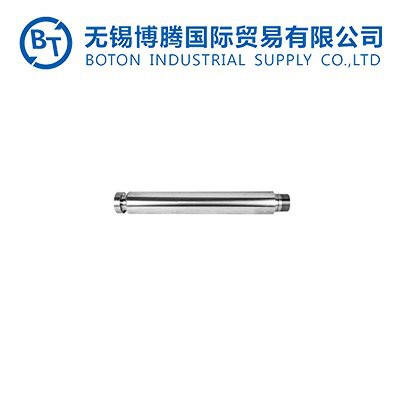
Material Quality Control
The quality of the material is the foundation for ensuring the safety of 40Cr hydraulic piston rods. As a supplier, we strictly control the raw material procurement process. We source high - quality 40Cr steel from reliable suppliers and conduct comprehensive inspections on the incoming materials. These inspections include chemical composition analysis, mechanical property testing, and non - destructive testing.
Chemical composition analysis is used to ensure that the 40Cr steel meets the specified standards. The correct proportion of elements such as carbon, chromium, and other alloying elements is crucial for the performance of the piston rod. Mechanical property testing, including tensile strength, yield strength, and hardness testing, helps us to verify that the material has the required strength and toughness. Non - destructive testing methods, such as ultrasonic testing and magnetic particle testing, are used to detect internal and surface defects in the raw materials.
Precision Manufacturing Process
Precision manufacturing is another key factor in ensuring the safety of 40Cr hydraulic piston rods. Our manufacturing process includes forging, machining, heat treatment, and surface treatment.
During the forging process, we use advanced forging techniques to refine the grain structure of the 40Cr steel, which improves the mechanical properties of the piston rod. Machining operations, such as turning, grinding, and honing, are carried out with high - precision equipment to ensure the dimensional accuracy and surface finish of the piston rod. The diameter, straightness, and surface roughness of the piston rod must meet the strict requirements to ensure proper fit and smooth operation in the hydraulic system.
Heat treatment is a critical step in the manufacturing process. Through proper heat treatment, such as quenching and tempering, the 40Cr piston rod can achieve the optimal combination of strength and toughness. Surface treatment, such as chrome plating, is used to enhance the corrosion resistance and wear resistance of the piston rod. A well - plated surface can prevent rust and abrasion, which is essential for the long - term safety and reliability of the piston rod.
Correct Installation
Proper installation is essential for the safe operation of 40Cr hydraulic piston rods. Before installation, the hydraulic system should be thoroughly cleaned to remove any debris or contaminants. The piston rod should be carefully inspected for any damage or defects that may have occurred during transportation or storage.
During installation, the piston rod must be aligned correctly with the cylinder and other components of the hydraulic system. Misalignment can cause uneven stress distribution on the piston rod, leading to premature wear and failure. The seals should be installed properly to prevent fluid leakage. Incorrectly installed seals can not only lead to loss of hydraulic fluid but also allow contaminants to enter the system, which can damage the piston rod and other components.
Regular Maintenance
Regular maintenance is crucial for ensuring the long - term safety of 40Cr hydraulic piston rods. Operators should regularly check the hydraulic system for any signs of leakage, abnormal noise, or vibration. Fluid levels and quality should be monitored regularly, and the hydraulic fluid should be changed according to the manufacturer's recommendations.
The surface of the piston rod should be inspected for any signs of wear, corrosion, or damage. If any damage is detected, appropriate measures should be taken immediately, such as repairing or replacing the piston rod. The seals should also be inspected regularly and replaced when they show signs of wear or damage.
Monitoring and Condition Assessment
In addition to regular maintenance, continuous monitoring and condition assessment can help to detect potential safety issues early. Advanced monitoring techniques, such as vibration monitoring, temperature monitoring, and pressure monitoring, can be used to monitor the operating conditions of the hydraulic system.
Vibration monitoring can detect abnormal vibrations caused by misalignment, unbalanced loads, or mechanical failures. Temperature monitoring can detect overheating in the hydraulic system, which may be caused by excessive friction or fluid viscosity problems. Pressure monitoring can ensure that the hydraulic pressure is within the normal range, preventing over - pressure situations that can damage the piston rod.
Training for Operators
Proper training for operators is essential for ensuring the safety of 40Cr hydraulic piston rods. Operators should be trained on the correct operation, installation, and maintenance procedures of the hydraulic system. They should understand the importance of following safety regulations and the potential risks associated with improper operation.
Training programs should include theoretical knowledge and practical training. Theoretical knowledge should cover the working principles of the hydraulic system, the properties of 40Cr hydraulic piston rods, and safety regulations. Practical training should allow operators to practice installation, maintenance, and troubleshooting procedures under the guidance of experienced technicians.
Choosing the Right Accessories
When using 40Cr hydraulic piston rods, choosing the right accessories is also important for safety. For example, Hollow Piston Rod can be a good choice in some applications where weight reduction or internal passage for fluid or cables is required. Stainless Steel Precision Bar can be used in corrosive environments to ensure the long - term performance of the hydraulic system.
Conclusion
Ensuring the safety of 40Cr hydraulic piston rods in operation requires a comprehensive approach, including material quality control, precision manufacturing, correct installation, regular maintenance, monitoring, operator training, and choosing the right accessories. As a supplier, we are committed to providing high - quality 40Cr hydraulic piston rods and sharing our expertise to help our customers ensure the safe and reliable operation of their hydraulic systems.
If you are interested in our 40Cr Hydraulic Piston Rods or have any questions about their safety and performance, please feel free to contact us for further discussion and procurement negotiation. We look forward to working with you to meet your hydraulic system needs.
References
- "Hydraulic Systems: Components, Design, and Applications" by Peter A. Nikravesh
- "Alloy Steels: Properties and Applications" by George E. Totten


