

Hey there! As a supplier of pneumatic piston rods, I've seen firsthand how crucial it is to control the air flow rate to adjust the speed of a pneumatic piston rod. In this blog, I'm gonna share some tips and tricks on how to do just that.
Understanding the Basics
First things first, let's talk about how a pneumatic piston rod works. It's a simple yet effective mechanism that uses compressed air to move a piston inside a cylinder. The air pressure pushes the piston, which in turn moves the rod attached to it. The speed of the piston rod depends on the amount of air flowing into the cylinder and the force exerted by the compressed air.
Controlling the air flow rate is essential because it allows you to adjust the speed of the piston rod according to your specific needs. Whether you're working on a small DIY project or a large industrial application, being able to fine - tune the speed can make a huge difference in the performance of your equipment.
Factors Affecting Air Flow Rate
There are several factors that can affect the air flow rate in a pneumatic system. One of the most important ones is the size of the air inlet and outlet ports. A larger port will allow more air to flow through, resulting in a faster piston rod speed. On the other hand, a smaller port will restrict the air flow and slow down the piston rod.
The length and diameter of the air tubing also play a role. Longer and narrower tubing can cause more resistance to the air flow, reducing the amount of air reaching the cylinder and thus slowing down the piston rod. So, it's important to choose the right size of tubing for your application.
Another factor is the air pressure. Higher air pressure generally means more force pushing the piston, which can increase the speed of the piston rod. However, you need to be careful not to exceed the maximum pressure rating of your pneumatic components, as this can cause damage.
Methods to Control Air Flow Rate
Using Flow Control Valves
Flow control valves are one of the most common ways to control the air flow rate. These valves can be adjusted to either restrict or allow more air to pass through. There are two main types: needle valves and throttle valves.
Needle valves are very precise and allow for fine - tuning of the air flow. They have a small, tapered needle that can be turned to adjust the size of the opening through which the air passes. This is great for applications where you need very accurate control of the piston rod speed. You can check out our CK45 Piston Rod which can work well with these flow control valves in various setups.
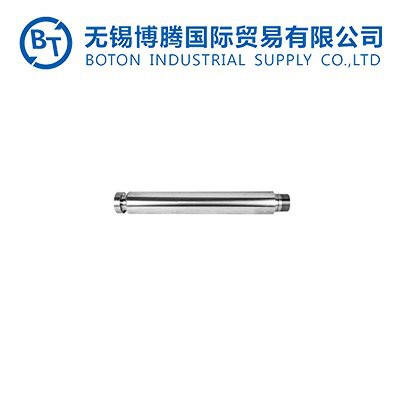
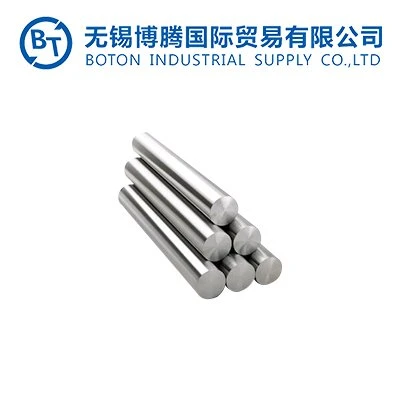
Throttle valves, on the other hand, are more suitable for applications where you need to quickly adjust the air flow rate. They have a larger opening that can be adjusted more rapidly, making them ideal for applications where you need to change the piston rod speed on the fly.
Adjusting the Air Supply Pressure
As I mentioned earlier, air pressure can have a significant impact on the piston rod speed. You can use a pressure regulator to adjust the air pressure supplied to the pneumatic system. By increasing or decreasing the pressure, you can effectively control the force pushing the piston and thus the speed of the piston rod.
However, keep in mind that changing the air pressure too much can also affect the performance and lifespan of your pneumatic components. So, it's important to find the right balance.
Changing the Size of Ports or Tubing
If you find that the standard air inlet and outlet ports or tubing are not providing the desired air flow rate, you can consider changing their size. For example, if you need a faster piston rod speed, you can increase the size of the ports or use wider tubing. But remember to make sure that all the other components in your pneumatic system can handle the increased air flow.
Applications and Considerations
In different applications, the need for controlling the air flow rate varies. In industrial automation, for instance, precise control of the piston rod speed is often required for tasks such as assembly line operations. You might need the piston rod to move quickly during one part of the process and then slow down for a more delicate operation.
In a DIY project, like a small robotic arm powered by pneumatics, you might want to adjust the speed of the piston rod to make the arm move smoothly and accurately.
When using our 40Cr Hydraulic Piston Rod or CK45 Precision Piston Rod, it's important to consider the compatibility of the pneumatic components. Make sure that the flow control methods you choose are suitable for the specific piston rod you're using.
Troubleshooting
Sometimes, even if you've followed all the steps to control the air flow rate, you might still encounter problems. If the piston rod is moving too slowly, check for any air leaks in the system. A leak can cause a loss of air pressure and reduce the amount of air reaching the cylinder.
If the piston rod is moving too fast or erratically, it could be due to an incorrect adjustment of the flow control valve or an issue with the air pressure. Double - check your settings and make sure that all the components are working properly.
Conclusion
Controlling the air flow rate to adjust the speed of a pneumatic piston rod is an important skill for anyone working with pneumatic systems. By understanding the factors that affect air flow rate and using the right methods to control it, you can ensure that your pneumatic equipment performs at its best.
If you're in the market for high - quality pneumatic piston rods or have any questions about controlling air flow rate, feel free to reach out to us. We're here to help you find the right solutions for your applications. Whether you're a professional in the industrial sector or a hobbyist working on a DIY project, we've got the products and expertise to meet your needs.
References
- "Pneumatic Systems Handbook" by Pneumatic Components Manufacturers Association
- "Fundamentals of Pneumatics" by industry - leading pneumatic experts


