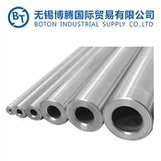
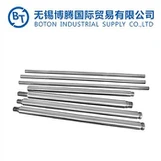
When it comes to the world of mechanical engineering and industrial applications, the question of whether precision linear shafts can be used in high - torque applications is a topic that often sparks intense debate. As a supplier of precision linear shafts, I've seen firsthand the diverse range of uses these components have, and I'm here to shed some light on this important question.
Understanding Precision Linear Shafts
Precision linear shafts are fundamental components in many mechanical systems. They are designed to provide a smooth and accurate linear motion. These shafts are manufactured with extremely tight tolerances, ensuring that they can guide other parts precisely along a straight path. Their surfaces are often highly polished to reduce friction and wear, which is crucial for maintaining the efficiency and longevity of the system.


We offer a variety of precision linear shafts, such as the 1045 Linear Shaft and Chrome Plated Shaft. The 1045 linear shaft is made from high - quality 1045 steel, which offers good strength and machinability. The chrome - plated shaft, on the other hand, has a hard chrome layer on its surface, providing excellent corrosion resistance and a low coefficient of friction.
High - Torque Applications: What Are They?
High - torque applications involve systems where a large amount of rotational force is required to perform a task. Examples include heavy - duty machinery, automotive transmissions, and large - scale manufacturing equipment. In these applications, components need to be able to withstand significant forces without deforming or failing. Torque is the measure of the force that can cause an object to rotate about an axis, and high - torque situations demand components with high strength and durability.
Factors to Consider When Using Precision Linear Shafts in High - Torque Applications
Material Strength
The material of the precision linear shaft is of utmost importance. In high - torque applications, the shaft needs to be able to resist the bending and torsional forces generated. For instance, if the torque causes the shaft to bend excessively, it can lead to misalignment of other components in the system, resulting in premature wear and reduced performance. Our Precision Linear Shaft is made from materials that are carefully selected for their strength and toughness. High - carbon steels and alloy steels are commonly used as they can withstand higher stress levels compared to standard steels.
Surface Hardness
A hard surface is essential for precision linear shafts in high - torque applications. Harder surfaces are more resistant to wear, which is crucial when the shaft is subjected to high loads. Chrome - plated shafts, like the ones we offer, have a hard chrome layer that not only increases the surface hardness but also provides a smooth surface finish. This reduces friction and wear, ensuring that the shaft can maintain its performance over a long period.
Design and Geometry
The design and geometry of the precision linear shaft also play a significant role. A shaft with a larger diameter generally has higher torsional strength. Additionally, the way the shaft is supported and the type of bearings used can affect its ability to handle high - torque loads. For example, using a shaft with a larger diameter and proper bearing support can distribute the load more evenly, reducing the stress on the shaft.
Advantages of Using Precision Linear Shafts in High - Torque Applications
Precision and Accuracy
One of the main advantages of using precision linear shafts in high - torque applications is the precision and accuracy they offer. In many high - torque systems, precise linear motion is required to ensure proper operation. For example, in a robotic arm used in a manufacturing plant, the linear shafts need to move the arm precisely to perform tasks such as welding or assembly. Our precision linear shafts are manufactured to very tight tolerances, ensuring that they can provide the required accuracy even under high - torque conditions.
Reduced Friction
Precision linear shafts are designed to have low friction surfaces. In high - torque applications, reducing friction is crucial as it can prevent overheating and energy loss. A shaft with low friction can operate more efficiently, which is beneficial for both the performance of the system and its energy consumption.
Longevity
Due to their high - quality materials and manufacturing processes, precision linear shafts have a longer lifespan compared to standard shafts. In high - torque applications, where components are subjected to significant stress, a longer - lasting shaft can reduce maintenance costs and downtime.
Challenges and Limitations
Cost
One of the main challenges of using precision linear shafts in high - torque applications is the cost. Precision manufacturing processes and high - quality materials increase the cost of these shafts. However, it's important to consider the long - term benefits, such as reduced maintenance and improved performance, when evaluating the cost - effectiveness.
Limited Load Capacity
Although precision linear shafts can handle a certain amount of torque, they do have limitations. In extremely high - torque applications, the shaft may reach its maximum load - bearing capacity, leading to deformation or failure. In such cases, alternative components or additional support mechanisms may be required.
Case Studies
Let's take a look at some real - world examples of using precision linear shafts in high - torque applications. In an automotive assembly line, precision linear shafts are used in the robotic arms that install heavy engine components. The high - torque generated during the installation process requires the shafts to have high strength and precision. By using our Precision Linear Shaft, the robotic arms can operate smoothly and accurately, reducing the error rate and increasing the efficiency of the assembly line.
In a large - scale manufacturing plant, precision linear shafts are used in the presses that form metal parts. The high - torque forces involved in the pressing process demand shafts that can withstand significant stress. Our chrome - plated shafts have been proven to be highly effective in these applications, providing long - lasting performance and reducing the need for frequent replacements.
Conclusion
In conclusion, precision linear shafts can be used in high - torque applications, but it requires careful consideration of factors such as material strength, surface hardness, and design. When properly selected and installed, precision linear shafts can offer many advantages, including precision, reduced friction, and longevity. However, it's important to be aware of the challenges and limitations, such as cost and limited load capacity.
If you're involved in a high - torque application and are considering using precision linear shafts, I encourage you to reach out for a detailed discussion. Our team of experts can help you select the right type of shaft for your specific needs. Whether you're looking for a 1045 Linear Shaft, Chrome Plated Shaft, or Precision Linear Shaft, we have the knowledge and experience to provide you with the best solution. Contact us today to start the procurement process and take your application to the next level.
References
- Budynas, R. G., & Nisbett, J. K. (2011). Shigley's Mechanical Engineering Design. McGraw - Hill.
- Spotts, M. F., Shoup, T. E., & Strycker, B. W. (2004). Design of Machine Elements. Prentice Hall.